Auto Accident
Colorado Traction Law: What It Is and How It Affects Car Accident Liability
Key Takeaways
- Every passenger vehicle needs qualifying tires with 3/16-inch tread, or chains or an approved device, during an active traction law.
- The same tire and traction rules now apply to every passenger vehicle, regardless of two-wheel, four-wheel, or all-wheel drive.
- A passenger vehicle violation carries a $100 fine and $33 surcharge, with higher penalties for lane closures.
- A traction law violation can serve as strong evidence that the other driver breached a duty of care.
- Colorado reduces damages by the injured person’s share of fault and bars recovery at 50% or more.
Winter on the Front Range can turn a routine drive into a multi-car crash in seconds, and the tires on neighboring cars matter as much as a driver’s own. The Colorado traction law requires drivers to carry proper equipment when snow and ice set in, and drivers who ignore it put everyone around them at risk. At Dormer Harpring, we help people in Denver and across Colorado who suffered injuries because other drivers failed to prepare. Understanding the law, and how a violation shapes fault, can change the course of a car accident claim. Contact a Denver car accident lawyer today.
[free-consultation id="1"]
What Is the Colorado Traction Law?
The Passenger Vehicle Traction Law requires adequate tires or traction devices when the Colorado Department of Transportation (CDOT) activates it during winter conditions. Colorado updated the law in 2026, and the same rules now apply to every passenger vehicle, whatever its drivetrain.
When the law is active, passenger vehicles need tires rated all-weather, mud and snow, or winter with at least 3/16-inch tread, or chains or an approved alternative traction device. CDOT can enforce it on I-70 between Morrison and Dotsero from September 1 through May 31, and on any state highway when conditions require.
Where and When Does the Traction Law Apply?
The law applies on I-70 between Morrison and Dotsero throughout the September 1 to May 31 season, and anywhere CDOT activates it on a state highway. The corridor begins at Morrison in Jefferson County, on the western edge of the Denver metro area, and climbs to Dotsero in Eagle County. Many Front Range residents travel that route to reach mountain towns and ski areas. Beyond that stretch, the same requirements can reach state highways closer to home whenever winter storms prompt CDOT to act. Highway signs, COtrip.org, and roadway condition alerts tell drivers when the law is active.
What Tires and Equipment Does It Require?
Every passenger vehicle must meet one of the equipment options in CDOT’s Passenger Vehicle Traction Law guidance. Under the current rules, compliance no longer depends on two-wheel, four-wheel, or all-wheel drive. Drivers need one of the following:
- Mud and Snow Tires: Marked M+S or M/S, with at least 3/16-inch tread
- Winter Tires: Bearing the mountain-snowflake icon, with at least 3/16-inch tread
- All-Weather Tires: Rated all-weather by the manufacturer, with at least 3/16-inch tread
- Chains or Traction Devices: Tire chains or an alternative traction device on CDOT’s approved list
All-wheel drive alone does not satisfy the law when tires lack the required rating or tread depth. CDOT still recommends an AWD or 4WD vehicle for mountain travel whenever possible, but drivetrain no longer substitutes for proper tires.
What Are the Penalties for Violating the Colorado Traction Law?
A violation brings a fine and surcharge, and the penalty climbs sharply when an unprepared vehicle closes a lane. According to CDOT’s published traction law fines, the base penalty for a passenger vehicle is a $100 fine plus a $33 surcharge. When non-compliance results in a travel lane closure in one or more directions, CDOT lists a $500 fine and a $157 surcharge. Those figures cover only the traffic side. An injured driver’s medical bills, lost wages, and repair costs belong to a separate civil claim.
What Is the Colorado Chain Law and How Is It Different?
The Passenger Vehicle Chain Law is Colorado’s strictest winter equipment restriction, requiring chains or an approved alternative traction device on every vehicle, regardless of tires. It differs from the traction law in three ways:
- When They Apply: The traction law covers winter storms generally, while CDOT reserves the chain law for severe storms as the final step before closing a highway.
- What Satisfies Them: Qualifying tires can meet the traction law, but only chains or an approved device on two or more drive tires meet the chain law.
- Who Must Comply: Both apply to every passenger vehicle, including all-wheel and four-wheel drive.
Carrying chains or an approved device, such as an AutoSock, can keep drivers compliant if conditions escalate. Large commercial vehicles follow separate chain requirements.
How Does a Traction Law Violation Affect Fault in a Car Accident?
A traction law violation can serve as strong evidence that the other driver breached the duty of care. Under negligence per se, violating a statute that regulates roadway use can count as negligence in itself when it injures someone the statute protects. The claim can then center on whether the violation helped cause the crash, rather than whether the other driver acted unreasonably.
Under Colorado’s comparative negligence statute, C.R.S. § 13-21-111, when evidence shows shared fault, the judge or jury weighs each party’s negligence and reduces damages proportionally. A driver found 20% at fault may recover 80% of their damages, but a share of 50% or more bars recovery. When insurers argue the injured driver was going too fast for the snow, a documented violation of the Colorado traction law can help keep the focus on the motorist who lacked proper equipment.
What Should You Do If You Are Hit by a Driver Who Violated the Traction Law?
Get to safety, seek medical care, and preserve evidence of the other driver’s equipment before conditions change. Plows clear snow and tow trucks remove vehicles quickly after a crash in Denver or on I-70. When it is safe to do so, take these steps:
- Call 911: Request police and medical help
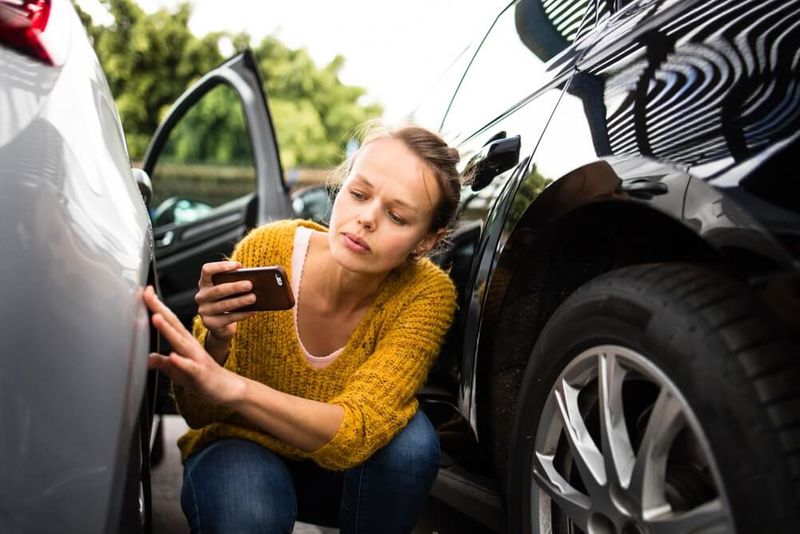
- Photograph the Other Vehicle: Capture its tires, tread, and any chains or traction devices
- Document Conditions: Record the road surface, weather, and any active traction law signs
- Gather Witness Information: Collect names and phone numbers from people who saw the crash
- Seek Medical Treatment: Visit a doctor promptly, even if injuries seem minor
- Request the Police Report: Check whether the officer noted the other driver’s equipment or issued a citation
- Limit Insurer Contact: Avoid recorded statements to the other driver’s insurer before speaking with a lawyer
Contact Dormer Harpring Denver Personal Injury Lawyers Today
Contact Dormer Harpring, LLC if an unprepared driver caused your winter crash. We help injured people in Denver and across Colorado hold careless motorists accountable when they ignore the Colorado traction law. Call us at (303) 747-4404 today for a free consultation, and our team can review your case and pursue the compensation you deserve.
[attorney-card id="1"]
Fact-checked
This page has been written, edited, and reviewed by a team of legal writers following our comprehensive editorial guidelines. This page was approved by attorney, Sean Dormer, a Denver personal injury attorney with extensive legal expertise.